


Understand the latest news, focus on industry trends, interpretation of professional encyclopedia
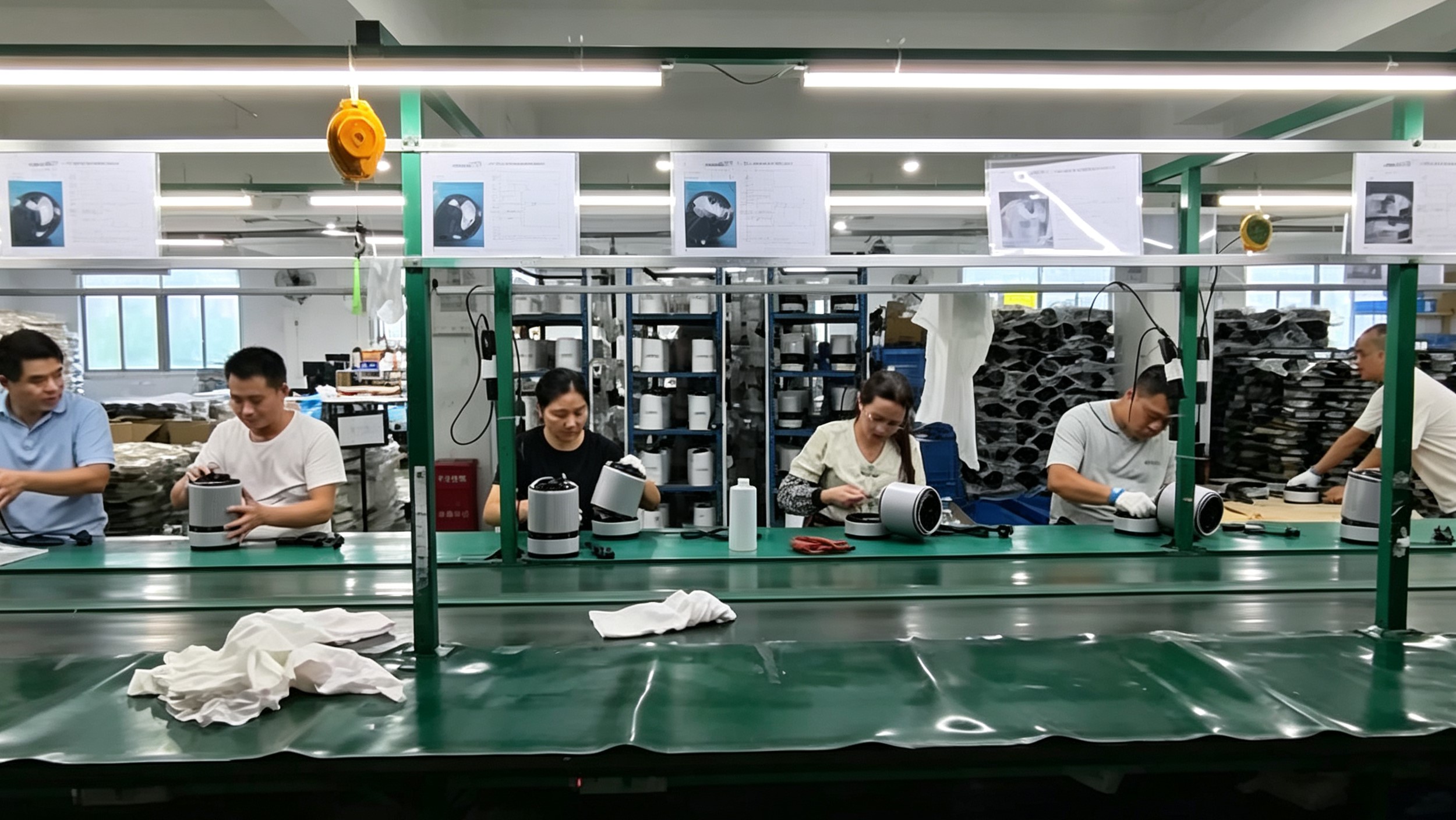 Custom bladeless fan manufacturing involves more than adding a logo to an existing product. For B2B buyers, the process can include product requirements, engineering design, prototype development, component preparation, assembly, functional testing, aging tests, quality inspection, and final packaging.
Understanding each stage helps importers, distributors, and brands evaluate whether a custom bladeless fan manufacturer has the engineering and production capabilities needed for consistent bulk production.
Custom bladeless fan manufacturing is the process of developing and producing a bladeless fan according to a buyer's required specifications, functions, appearance, branding, and packaging requirements.
Depending on the project, customization may involve product appearance, airflow performance, cooling or heating functions, LED options, air purification functions, control methods, branding, packaging, and electrical specifications.
The available options depend on the product platform and specific project requirements.
The process starts by confirming the buyer's requirements. These may include the target market, product functions, size, appearance, power requirements, branding, packaging, and expected order quantity.
Clear specifications at the beginning make it easier to evaluate product feasibility, develop samples, and establish production requirements before mass manufacturing.
For OEM and ODM projects, customization may involve more than adding a logo. Engineers may work on the product structure, air duct, motor system, electrical components, housing, control system, and other functional components.Understanding how these components work together is also important when evaluating a bladeless fan design. See How Does a Bladeless Fan Work? for a technical overview.
The design needs to coordinate these components so the finished fan can achieve the required airflow, operation, appearance, and functions.
After the product requirements and design are established, a prototype or sample can be developed for evaluation.
A typical process is design → prototype → functional testing → sample adjustment → customer confirmation.
Sample confirmation allows the buyer and manufacturer to identify necessary changes before moving into bulk production.
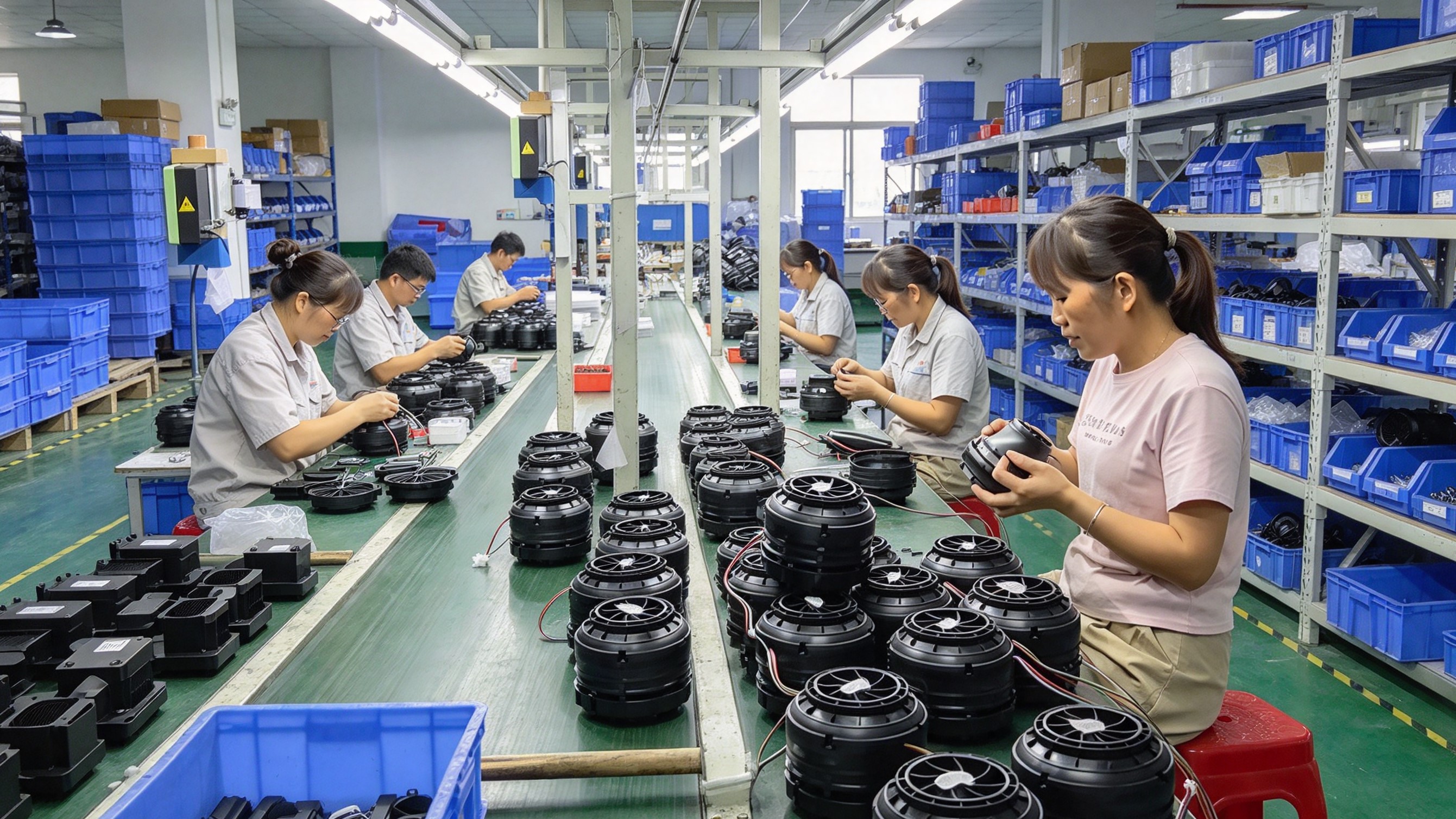 Once the product design is confirmed, the required components are prepared for production. Depending on the product, this may include brushless motor production, core motor assembly, air-duct production, housing components, and electrical components.
Critical components should be inspected and prepared properly before final assembly to help maintain consistency during mass production.
During assembly, the motor, air duct, electrical components, housing, and other functional parts are combined into the finished main unit.
Accurate coordination between the motor, air duct, electronics, and housing is important for stable operation and consistent airflow performance.
Quality control is an important part of custom bladeless fan manufacturing. Depending on the product and production requirements, testing may include power testing, AC/DC withstand testing, dynamic balance testing, functional interaction testing, listening inspection, transport vibration testing, and drop testing.
Motor aging is another important step. At our facility, fan motors undergo continuous aging testing to help identify potential performance issues before delivery.
These tests provide an additional check before finished products are packed and shipped.
Customization options vary according to the product platform and project requirements. Common areas include:
Appearance: Color, finish, and housing design
Functions: Cooling, heating, or air purification options
Controls: Control interfaces and operating methods
Branding: Logo and brand elements
Lighting: LED options where applicable
Packaging: Project-specific packaging requirements
Electrical specifications: Requirements for the target market
For a broader overview of customization options and OEM/ODM development, see our Custom Bladeless Fan Guide for Brands & OEM Buyers.
The manufacturing lead time depends on the level of customization, sample development, component preparation, order quantity, and production schedule.
Rather than using one fixed production time for every project, buyers should confirm the expected schedule for requirement confirmation, sample development, approval, mass production, testing, packaging, and delivery.
When evaluating a supplier, B2B buyers should look beyond the appearance of the finished fan. For more guidance, see our guide on How to Choose a Reliable Bladeless Fan Supplier in China. Important factors include OEM/ODM capability, engineering support, manufacturing experience, component and assembly capabilities, quality-control procedures, testing processes, and the ability to move from prototype development to mass production.
A capable supplier should be able to explain not only what the final fan looks like, but also how the product is developed, assembled, tested, and prepared for delivery.
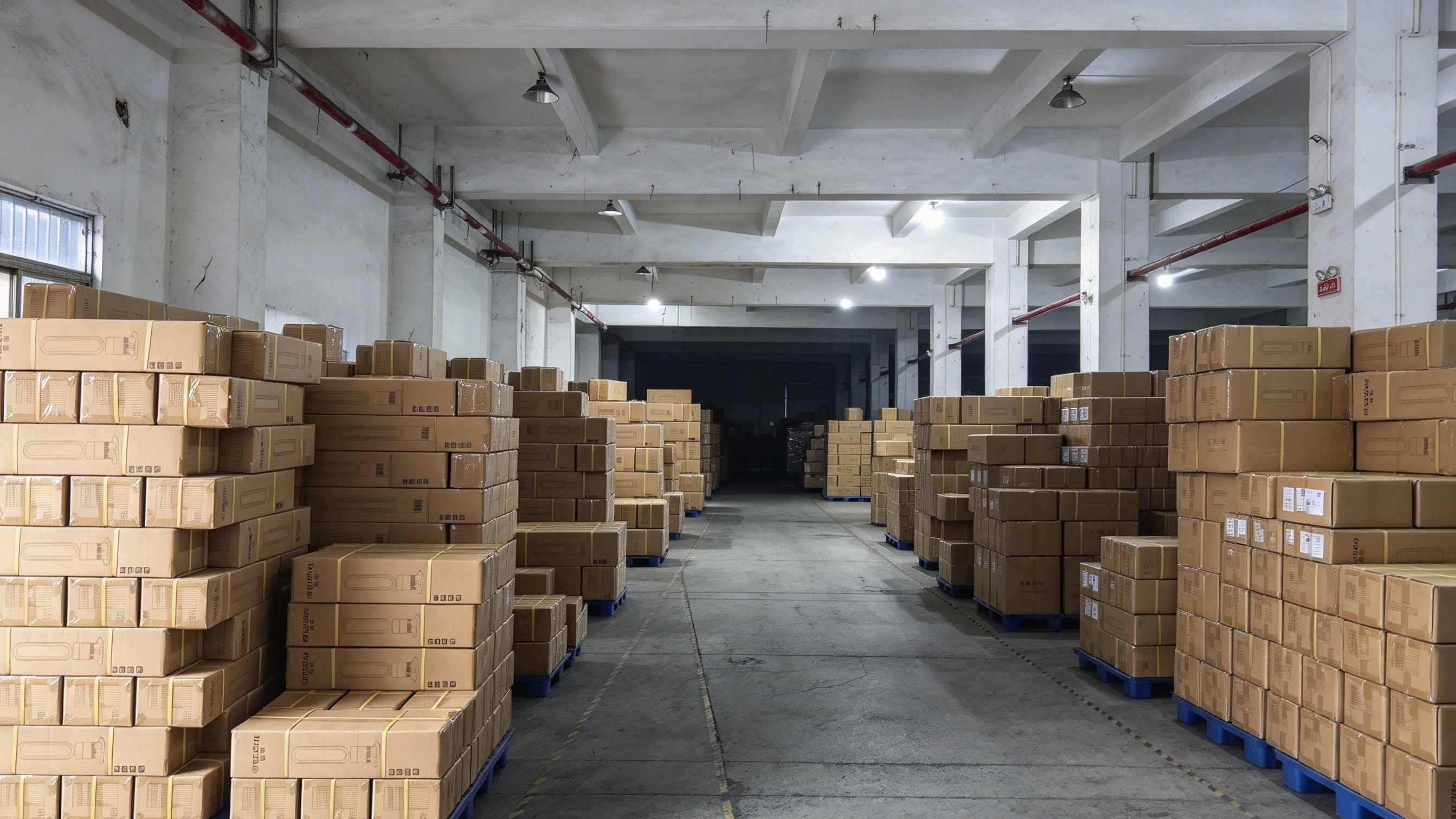 The typical process can be summarized as:
Requirement → Design → Prototype → Component Production → Assembly → Testing → Aging → Quality Control → Packaging → Delivery
The key to custom bladeless fan manufacturing is not only customization, but also the ability to maintain product consistency from prototype development through mass production.
Yes. Depending on the product platform, customization may include appearance, color, finish, branding, housing design, and packaging.
Some bladeless fan platforms can be developed with heating functions. The available configuration depends on the product design and project requirements.
Testing may include functional, power, electrical, dynamic balance, listening, vibration, drop, and motor aging tests, depending on the product and quality requirements.
Buyers should provide the required functions, product size, appearance preferences, branding requirements, electrical specifications, expected quantity, packaging requirements, and target market. More detailed requirements allow the manufacturer to evaluate the project more accurately.

 86 13532762865
Online consultationalina1349@genjin.com
Hotline
+86 13532762865
7*24 hours service hotline