


Understand the latest news, focus on industry trends, interpretation of professional encyclopedia
Bladeless fans are becoming increasingly popular in modern homes, offices, and commercial spaces. But are bladeless fans safe for children, pets, and everyday use? Unlike traditional fans, bladeless models do not have externally exposed rotating blades, which helps reduce direct contact risks. However, this does not mean they are completely risk-free. Electrical protection, motor performance, product stability, and proper operation are also important. In this guide, we explore how bladeless fans work, their safety features, potential risks, benefits, and common applications.
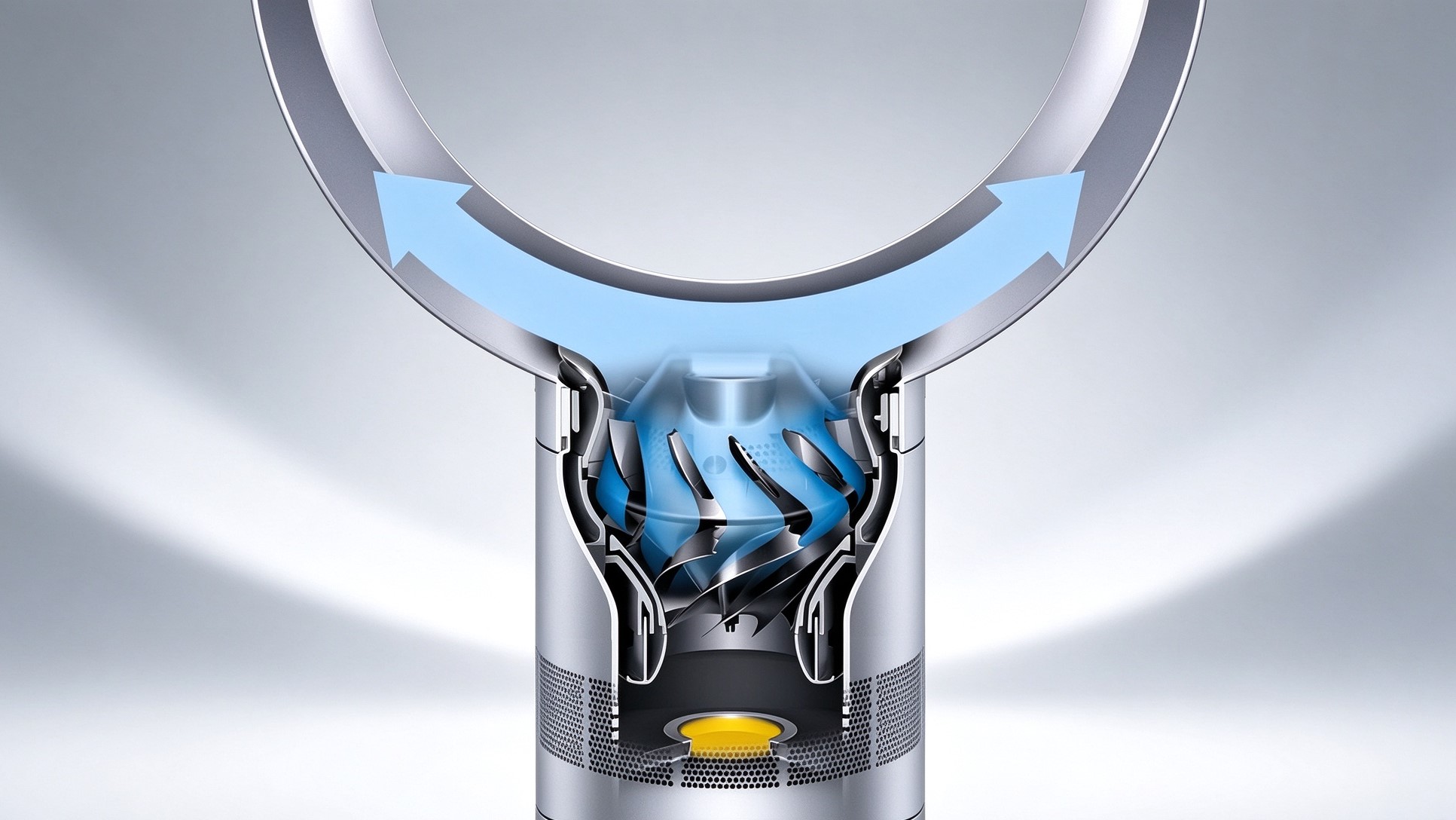 Bladeless fans use an internal airflow system instead of externally exposed rotating blades. Although they appear to have an open ring or enclosed air outlet, a motor-driven impeller inside the base or housing draws air into the unit. The air then travels through internal ducts and exits through specially designed openings.
The internal impeller generates airflow, while the surrounding air outlet directs the moving air into the room. This design creates a continuous stream of air without exposing traditional fan blades.
Depending on the model, airflow direction, speed, and oscillation can be adjusted to suit different environments.
Feature | Bladeless Fans | Traditional Fans |
|---|---|---|
Exposed rotating blades | No | Usually protected by a grille |
Airflow system | Internal impeller and air ducts | External rotating blades |
Exterior cleaning | Generally easier | Grilles and blades require cleaning |
Safety considerations | Air outlet and electrical protection | Blade contact and electrical protection |
Appearance | Modern, streamlined design | Traditional fan structure |
Both designs require appropriate safety protection. The main difference is how air is moved and how the rotating components are enclosed.
 Bladeless fans can be a practical option for households with children and pets because they do not have externally exposed rotating blades. This reduces the possibility of direct contact with moving fan blades, which is one of the main safety considerations when choosing a household fan.
Traditional fans rely on rotating blades protected by a grille. Bladeless fans use an internal airflow mechanism, removing the need for exposed rotating blades around the air outlet.
This design can reduce certain contact-related risks for curious children and pets.
Although bladeless designs offer an additional safety advantage, they should not be considered completely childproof or pet-proof.
Parents should still follow basic precautions:
Keep electrical cords out of children's reach.
Place the fan on a stable, level surface.
Prevent children from inserting fingers or objects into air openings.
Keep pets from chewing power cords or damaging the housing.
Never allow children to disassemble or repair the appliance.
For additional guidance, refer to the U.S. Consumer Product Safety Commission (CPSC).
Bladeless fan safety depends on more than the absence of exposed blades. Internal electrical components, motor protection, heating elements, and structural stability all contribute to overall product safety.
Tip-Over Protection: Models equipped with this function automatically stop operating when the unit is accidentally knocked over.
Motor Protection: Appropriate thermal protection helps reduce the risk of motor overheating.
Electrical Protection: Proper insulation, wiring, and electrical component design help reduce electrical hazards.
Stable Base Design: A well-designed base helps prevent accidental tipping during normal operation.
Temperature Control: For heating models, suitable temperature controls and independent protective components are important.
Like other electrical appliances, bladeless fans can still experience problems if components fail, products are damaged, or equipment is used incorrectly.
Potential concerns include:
Motor overheating.
Damaged power cords.
Electrical faults.
Excessive temperatures in heating models.
Improper maintenance or blocked air inlets.
For example, on June 11, 2026, the CPSC announced a recall involving approximately 18,000 Merkury Innovations Hot + Cool Heating and Cooling Fans. The recalled bladeless fan heater could overheat and create a fire hazard. Consumers were instructed to stop using the affected model.
This case demonstrates an important point: the absence of exposed blades does not guarantee complete product safety.
Read the official CPSC bladeless fan recall notice for product details and safety instructions.
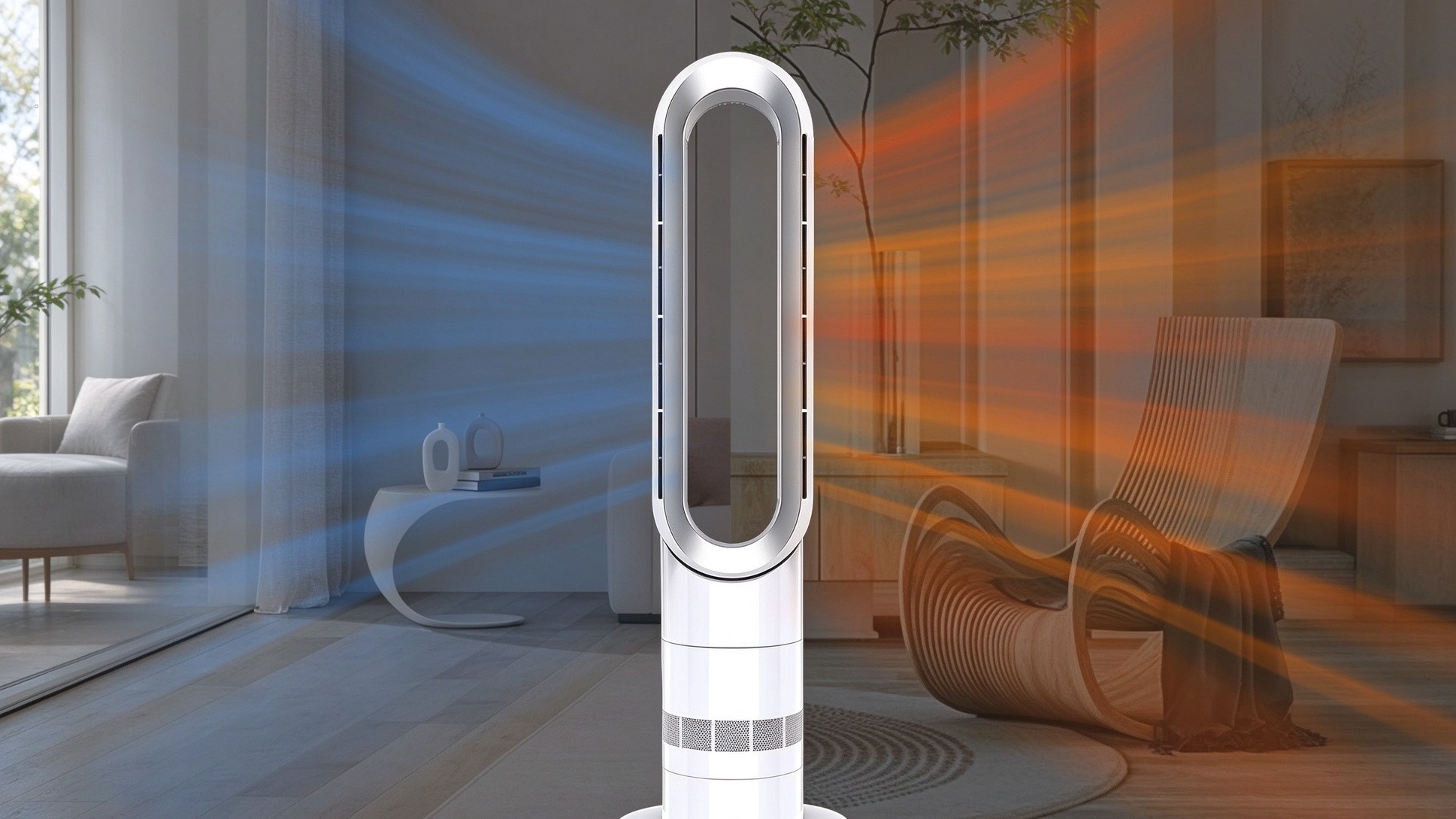 Bladeless fans combine an enclosed airflow structure with modern product design. Their features make them suitable for different residential and commercial environments.
Reduced Blade Contact Risk: No externally exposed rotating blades around the main air outlet.
Modern Appearance: Streamlined designs fit contemporary interior spaces.
Convenient Exterior Cleaning: Smooth outer surfaces are generally easier to wipe down.
Adjustable Airflow: Many models offer multiple speed settings and oscillation functions.
Multiple Functions: Some models combine cooling and heating in one appliance.
Homes and Bedrooms
Bladeless fans are suitable for living rooms, bedrooms, and other household spaces where appearance, convenient cleaning, and reduced blade contact risks are important.
Offices and Workspaces
Their streamlined appearance and adjustable airflow make them suitable for offices, meeting rooms, and workstations.
Hotels and Commercial Spaces
Hotels, reception areas, and other commercial environments can use bladeless fans to provide additional air circulation while maintaining a modern interior style.
For businesses sourcing different cooling solutions, explore Gemjin's Air Cooling Bladeless Fan range and Cool and Warm Bladeless Fan models.
 Whether purchasing a fan for personal use or sourcing products for a retail brand, safety verification should be part of the selection process.
Buyers in the United States should check whether the specific fan model has been evaluated against applicable electrical safety requirements.
UL 507 is a recognized safety standard covering electric fans. Depending on the product category and intended market, other applicable requirements may also need to be considered.
Look for a valid certification or listing mark from an appropriately recognized testing and certification organization. Do not assume that a certification displayed for one product automatically covers every model from the same manufacturer.
Useful references:
Reliable manufacturing quality control is essential for consistent product performance and safety.
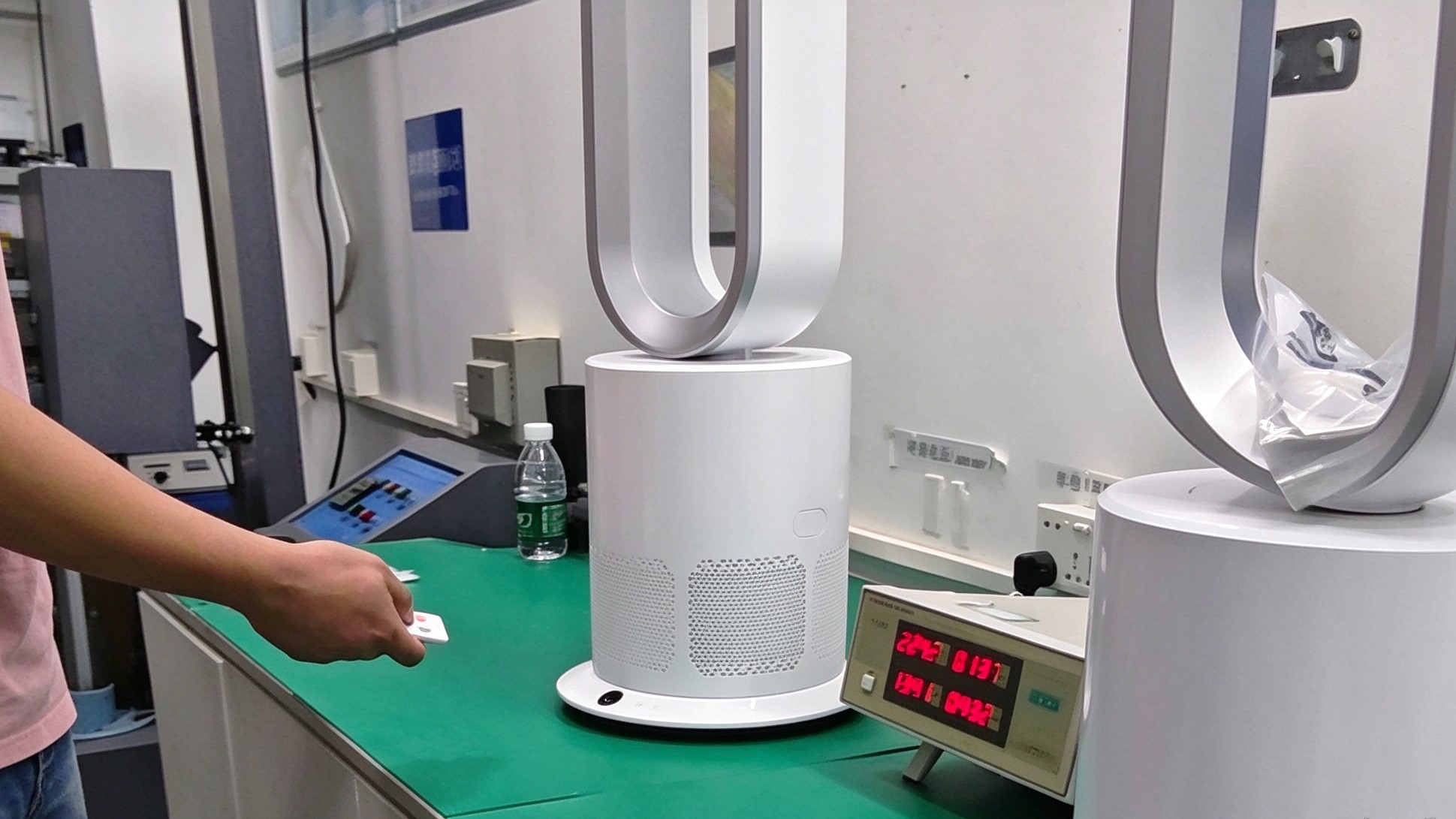
Buyers should ask manufacturers about their inspection procedures, electrical testing equipment, motor aging processes, and finished-product checks.
At Gemjin, manufacturing and quality control processes include:
Motor assembly and burn-in testing.
Hi-pot testing equipment for electrical withstand testing.
DC power testing equipment.
LCR digital bridge testing equipment.
Noise testing equipment.
Finished product quality inspection.
These facilities support the evaluation of electrical performance, operating conditions, and product consistency. Actual test procedures and acceptance criteria should be determined according to the specifications and requirements of each model.
Learn more about Gemjin's Manufacturing Processes and Quality Control Equipment.
Bladeless fans reduce direct contact with exposed rotating blades. However, overall safety also depends on electrical protection, motor design, product stability, and proper use.
Bladeless fans have no externally exposed rotating blades, but children should not insert fingers or objects into air openings or play with electrical cords.
Yes, overheating is possible if internal components malfunction or ventilation is obstructed. Appropriate thermal protection and regular inspection are important.
Overnight use depends on the manufacturer's instructions, product condition, operating environment, and safety protection features. Always follow the product manual.
Bladeless fans offer several practical advantages, including reduced direct blade contact risks, modern designs, and convenient airflow control. However, their overall safety depends on the complete appliance, not just its bladeless structure. Electrical protection, motor reliability, heating controls, and manufacturing quality should all be considered when choosing a product.
As a bladeless fan manufacturer, Gemjin provides OEM and ODM customization and bulk supply solutions for different market requirements. Explore our bladeless fan products and manufacturing capabilities to learn more about our product range and cooperation opportunities.

 86 13532762865
Online consultationalina1349@genjin.com
Hotline
+86 13532762865
7*24 hours service hotline